Universities and training providers increasingly need to deliver e-learning in multiple languages. But when a course contains Word handouts, Excel quizzes, PDFs, and hours of video, many teams don’t know how to scope or budget the translation.
What suppliers need from you: The first step is to provide all source files. Editable formats (Word, Excel, MP4 with transcripts) reduce cost and time. Locking everything into PDFs or sending only the platform link usually slows things down and makes it harder to estimate fairly.
How pricing works:
E-learning is usually priced in two ways:
– Per word for written content (handbooks, quizzes, slides).
– Per minute of video/audio for subtitling, transcription, or dubbing. Within that, the workflow impacts pricing:
– AI-assisted + Human QA: 20–30% faster and cheaper, suited for internal training.
– Full Human ISO 17100: required for external compliance courses or highly technical content.
How long will it take?
Expect about 2,000 words/day for written content. A 40,000-word course may take 3–4 weeks. Video subtitling runs at roughly 10 minutes/day per linguist. Parallel teams can shorten delivery, but urgent deadlines typically add a surcharge.
How to get the most from your budget:
– Provide transcripts for videos if possible (saves transcription costs).
– Clarify which parts of the course are highest priority for translation.
– Share glossaries or style guides for technical terms. LingvoHouse has localised e-learning platforms for universities and corporates, combining text translation, subtitling, and dubbing.
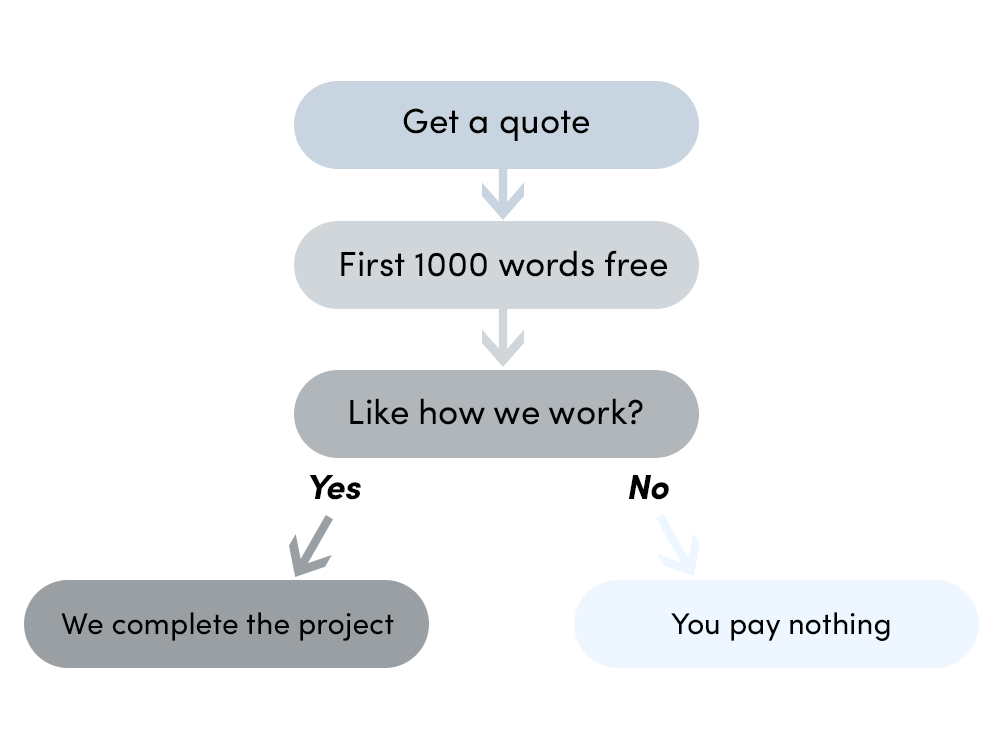
By analysing repetitions across modules, we often save clients 15–20%. The result: a platform that feels seamless in every language, with consistent terminology and quality. 👉 Planning to localise your e-learning? Get a quick quote here: https://www.lingvohouse.com/quick-quote/